
Lab Maintenance Checklist Guide: Creating a Laboratory Equipment Maintenance Checklist

Maintaining laboratory equipment is essential for ensuring accurate results, safety, and longevity of instruments. A well-structured maintenance routine prevents unexpected breakdowns and costly repairs. To achieve this, I have found that creating a comprehensive laboratory equipment maintenance checklist is indispensable. This guide will walk you through the process of developing an effective checklist tailored to the needs of healthcare, pharmaceutical, biotech, cleanroom, blood bank, academic, and industrial laboratories.
Understanding the Importance of a Lab Maintenance Checklist Guide
A laboratory environment relies heavily on the precision and reliability of its equipment. Without regular maintenance, instruments can drift from calibration, malfunction, or even pose safety hazards. A lab maintenance checklist guide serves as a systematic tool to track maintenance activities, ensuring that every piece of equipment receives the attention it requires.
By implementing a checklist, I have observed several benefits:
Consistency: Maintenance tasks are performed regularly and uniformly.
Accountability: Staff members know their responsibilities and deadlines.
Documentation: Records of maintenance help in audits and troubleshooting.
Cost Efficiency: Early detection of issues reduces repair costs and downtime.
For example, in a pharmaceutical lab, maintaining the sterility and calibration of autoclaves and incubators is critical. A checklist ensures these tasks are not overlooked, preserving product quality and compliance with regulations.

Key Components of an Effective Laboratory Equipment Maintenance Checklist
Creating a checklist requires careful consideration of the types of equipment, their maintenance needs, and the frequency of tasks. Here are the essential components I include in every checklist:
1. Equipment Identification
Each item should be clearly identified by:
Name and model number
Serial number
Location within the lab
Manufacturer’s contact information
This information helps in tracking and ordering parts or service when needed.
2. Maintenance Tasks
List all necessary maintenance activities, such as:
Cleaning procedures
Calibration checks
Functional tests
Lubrication points
Replacement of consumables (filters, seals, etc.)
For instance, a centrifuge requires rotor inspection and balancing checks, while a spectrophotometer needs lamp replacement and wavelength calibration.
3. Frequency and Schedule
Define how often each task should be performed:
Daily, weekly, monthly, quarterly, or annually
After a specific number of operating hours
Following manufacturer recommendations or regulatory guidelines
Setting a clear schedule helps prevent missed maintenance and ensures compliance.
4. Responsible Personnel
Assign specific staff members or teams to each task. This promotes accountability and clarity in operations.
5. Documentation and Sign-off
Include spaces for:
Date of maintenance
Name or initials of the person performing the task
Notes on any issues or observations
Signature or electronic approval
This documentation is vital for audits and continuous improvement.
How to Customize Your Laboratory Equipment Maintenance Checklist
Every laboratory has unique requirements based on its equipment, usage, and regulatory environment. Customizing the checklist ensures it is practical and effective.
Assess Your Equipment Inventory
Begin by compiling a detailed list of all equipment. Group items by type or function to streamline the checklist. For example:
Analytical instruments (chromatographs, spectrometers)
Sterilization equipment (autoclaves, UV cabinets)
Refrigeration units (freezers, refrigerators)
Safety devices (biosafety cabinets, fume hoods)
Consult Manufacturer Guidelines
Manufacturers provide specific maintenance instructions and schedules. Incorporate these into your checklist to maintain warranty coverage and optimal performance.
Consider Regulatory Requirements
Depending on your sector, regulations may dictate maintenance standards. For example, pharmaceutical labs must comply with Good Manufacturing Practices (GMP), which include equipment maintenance documentation.
Use Digital Tools for Efficiency
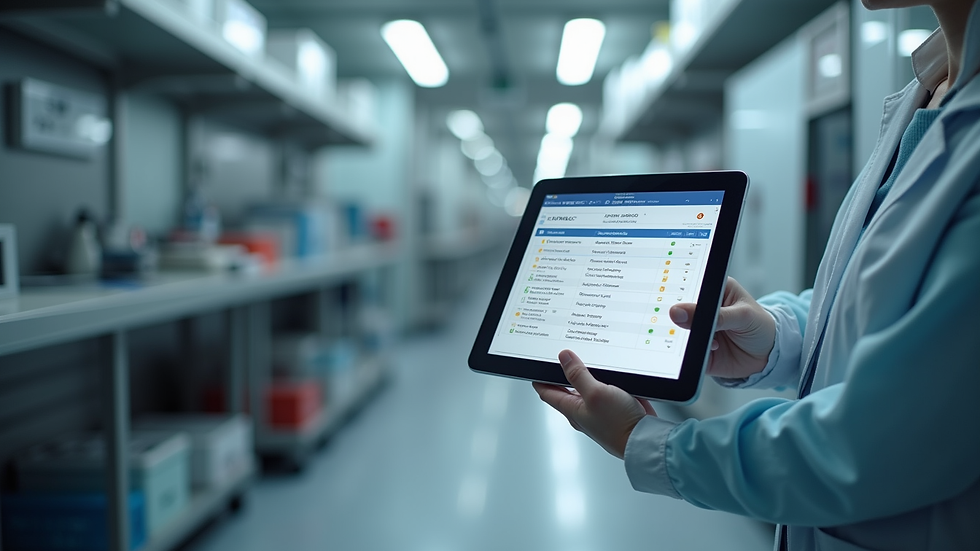
I recommend using digital platforms or software to manage your checklist. This allows for automated reminders, easy updates, and centralized record-keeping.
Implementing and Maintaining the Checklist in Daily Operations
Creating the checklist is only the first step. Successful implementation requires integration into daily workflows and ongoing management.
Train Your Team
Ensure all personnel understand the importance of maintenance and how to use the checklist. Training sessions and clear instructions reduce errors and omissions.
Schedule Regular Reviews
Periodically review the checklist to:
Update tasks based on new equipment or procedures
Adjust frequencies as needed
Address any recurring issues or gaps
Monitor Compliance and Performance
Track completion rates and maintenance outcomes. Use this data to identify areas for improvement and to justify resource allocation.
Foster a Culture of Responsibility
Encourage staff to report problems promptly and to take ownership of maintenance duties. Recognition and feedback can motivate adherence to protocols.
Enhancing Laboratory Efficiency Through Proactive Maintenance
A well-maintained laboratory operates more efficiently, with fewer disruptions and higher quality results. The laboratory equipment maintenance checklist is a cornerstone of this proactive approach.
By investing time in creating and following a detailed checklist, laboratories can:
Extend equipment lifespan
Reduce emergency repairs
Ensure safety and compliance
Improve data reliability
In my experience, this systematic approach supports the broader goal of advancing scientific and technological progress by maintaining the integrity of laboratory operations.
Final Thoughts on Laboratory Equipment Maintenance
Developing a laboratory equipment maintenance checklist is a strategic step toward operational excellence. It requires attention to detail, collaboration, and commitment. However, the benefits in terms of safety, efficiency, and cost savings are substantial.
I encourage laboratories to view maintenance not as a burden but as an essential practice that safeguards their mission and supports innovation. With a clear, customized checklist and a dedicated team, maintaining laboratory equipment becomes a manageable and rewarding process.


Comments